
Every Florida pool loses water. The big question: is your pool leaking or evaporating? Heat, sun, wind and low humidity can pull a surprising amount of water out of a pool, especially in summer. The easiest way to tell the difference at home is the bucket test. It takes about a day and costs nothing.
How much water does a pool lose to evaporation in Florida?
On hot, sunny, breezy days a pool can lose roughly a quarter inch of water a day to evaporation, sometimes more. Heated pools, waterfalls and spillovers lose more because they keep the water moving and warm. Splashing and backwashing also lower the level. So a slow drop in summer is not automatically a leak.
What is not normal: losing more than about a quarter inch a day on a regular basis, the level dropping overnight when nobody is swimming, or needing to add water every few days.
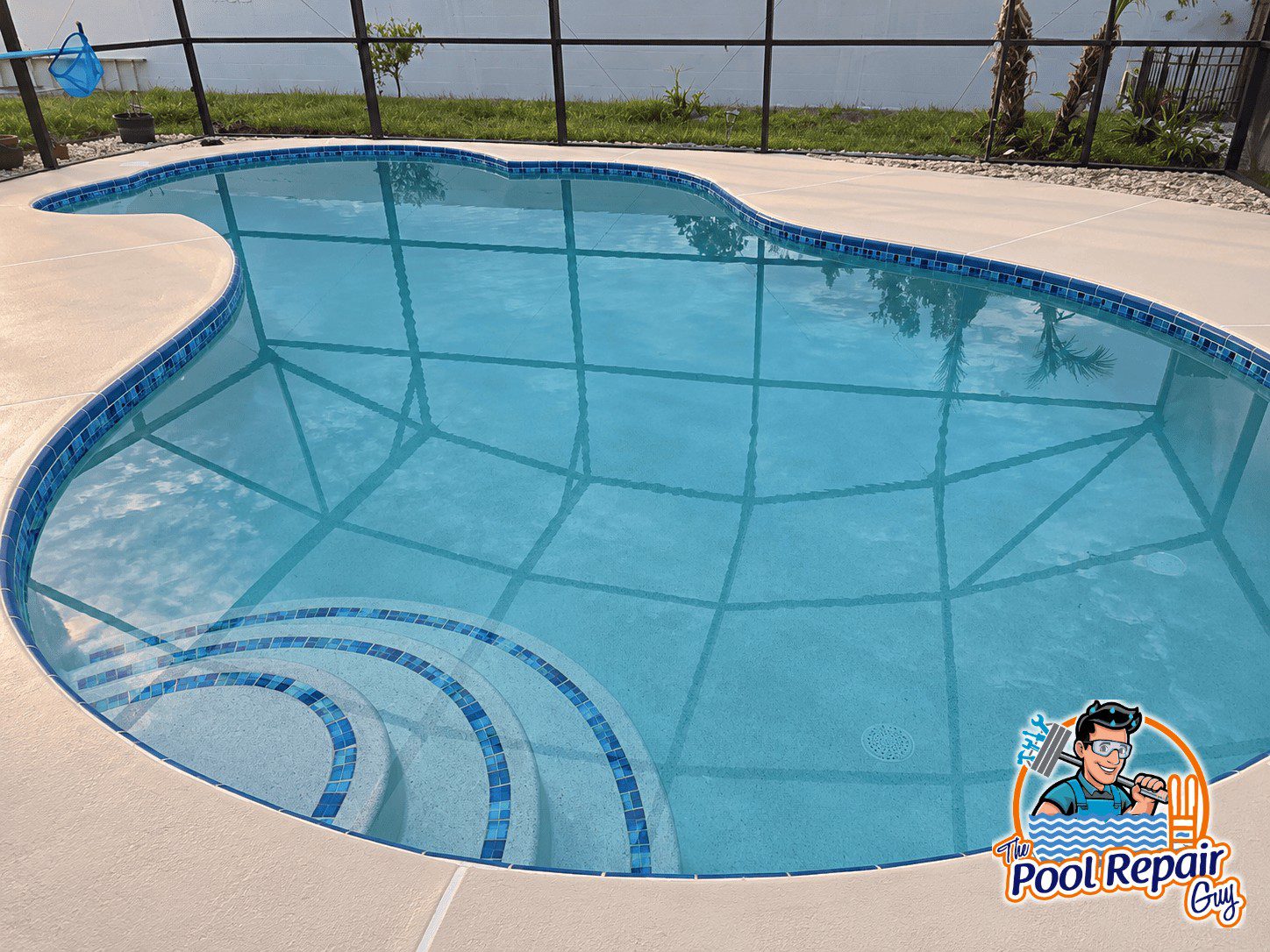
How to do the pool bucket test
- Bring the pool to its normal level.
- Fill a 5-gallon bucket with pool water to about an inch from the top.
- Set the bucket on the first or second step so it sits in the pool water and stays at the same temperature.
- Mark the water level inside the bucket and on the outside of the bucket at the pool water level.
- Run the pump as normal and don’t swim, splash or add water for 24 hours.
- Compare the two drops. Measure how far the water went down inside the bucket and how far the pool went down outside it.
Reading the results: is your pool leaking or evaporating?
- Both dropped about the same: it’s evaporation. Your pool is fine.
- The pool dropped more than the bucket: the extra loss is a leak.
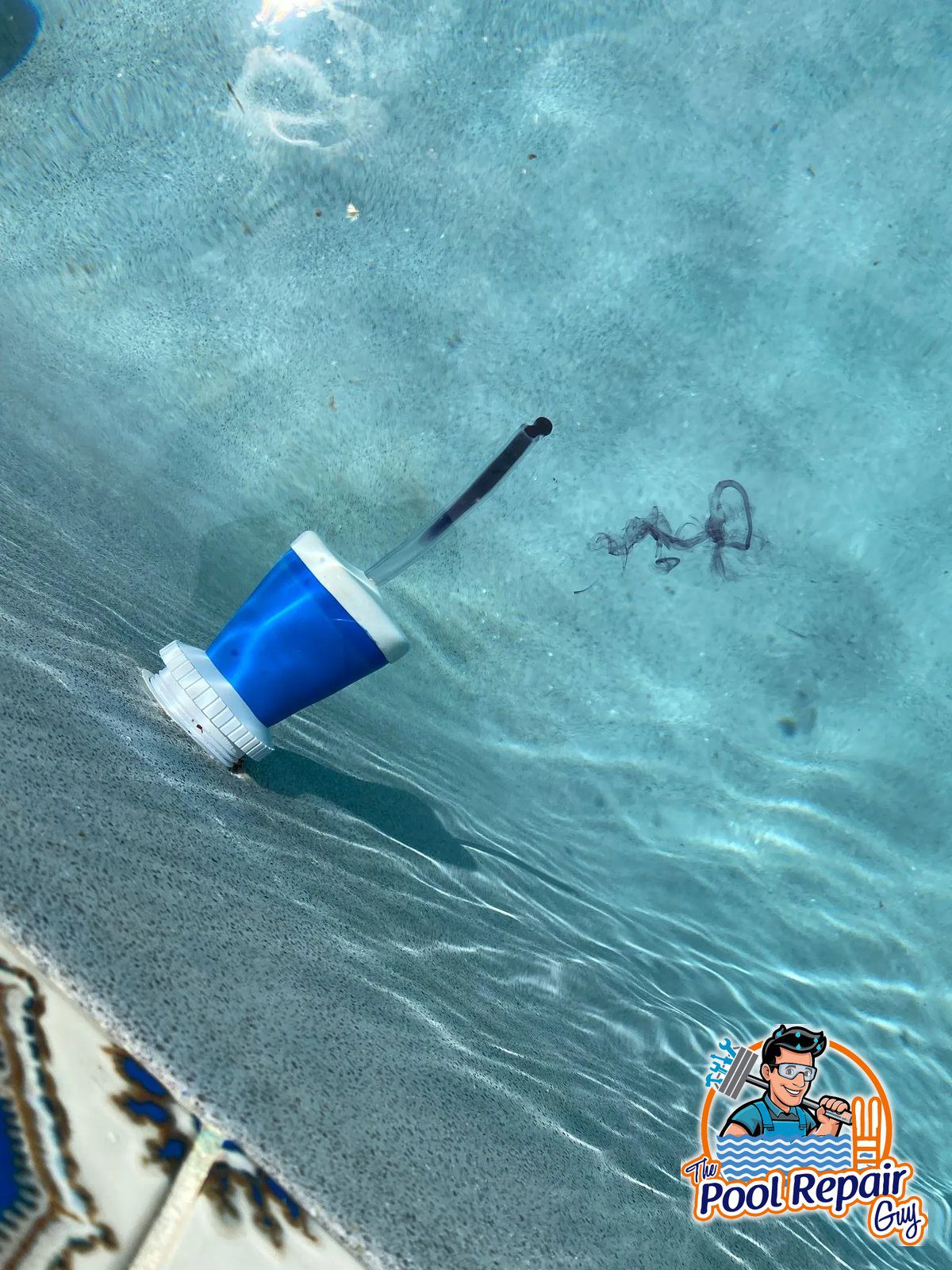
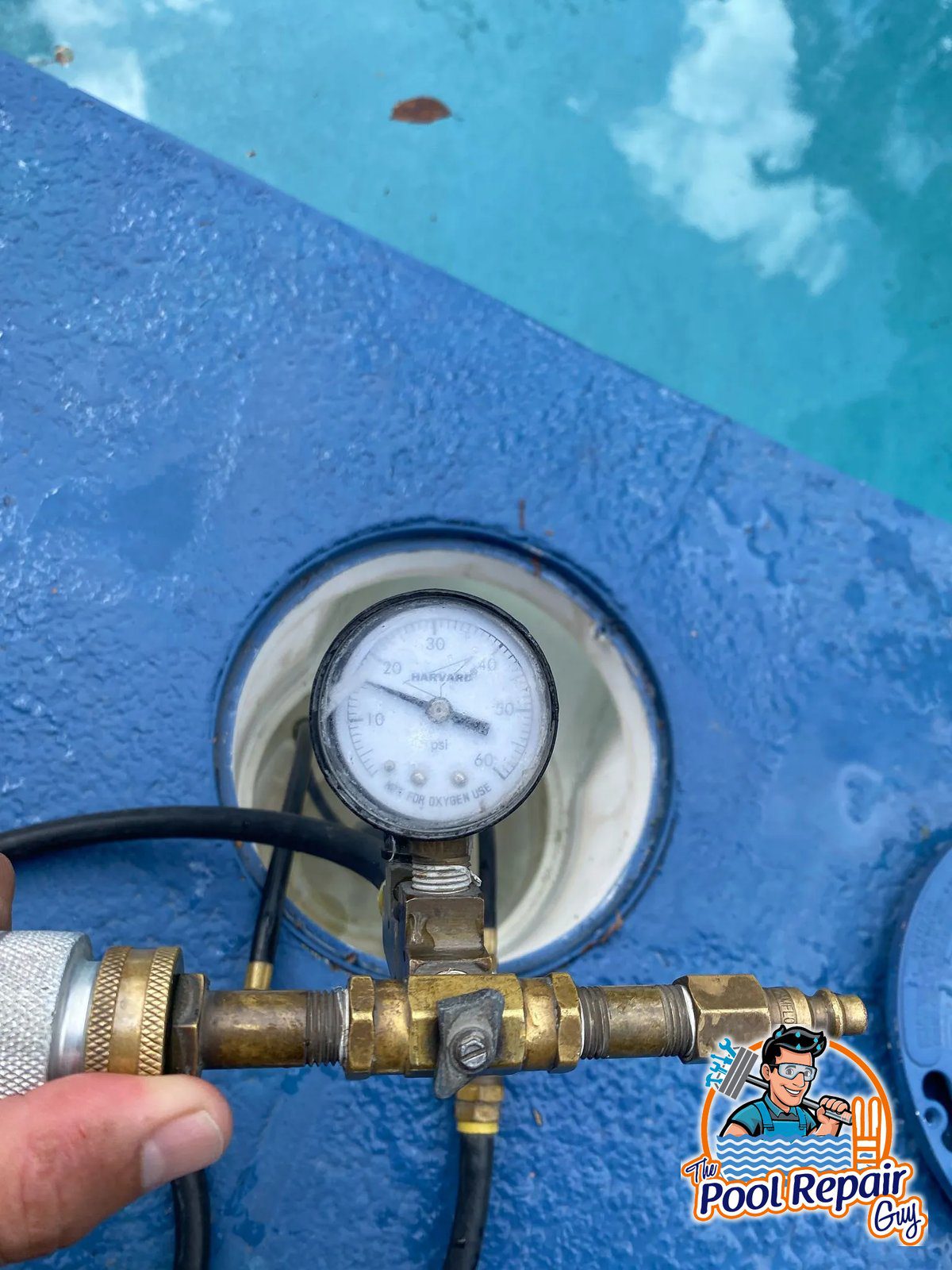
To narrow it down, repeat the test with the pump off. If the pool loses more with the pump running, the leak is likely in the pressure side of the plumbing. If it loses more with the pump off, it is often on the suction side or in the shell, tile line, lights or fittings.
Other signs your pool is leaking
- Wet or soggy spots in the yard near the pool or equipment
- Cracks in the pool deck or in the pool surface
- Loose or missing tile along the waterline
- Algae that keeps coming back or water chemistry that won’t stay balanced
- Air in the pump basket or the pump losing prime
- A higher water bill than usual
What to do if the bucket test shows a leak
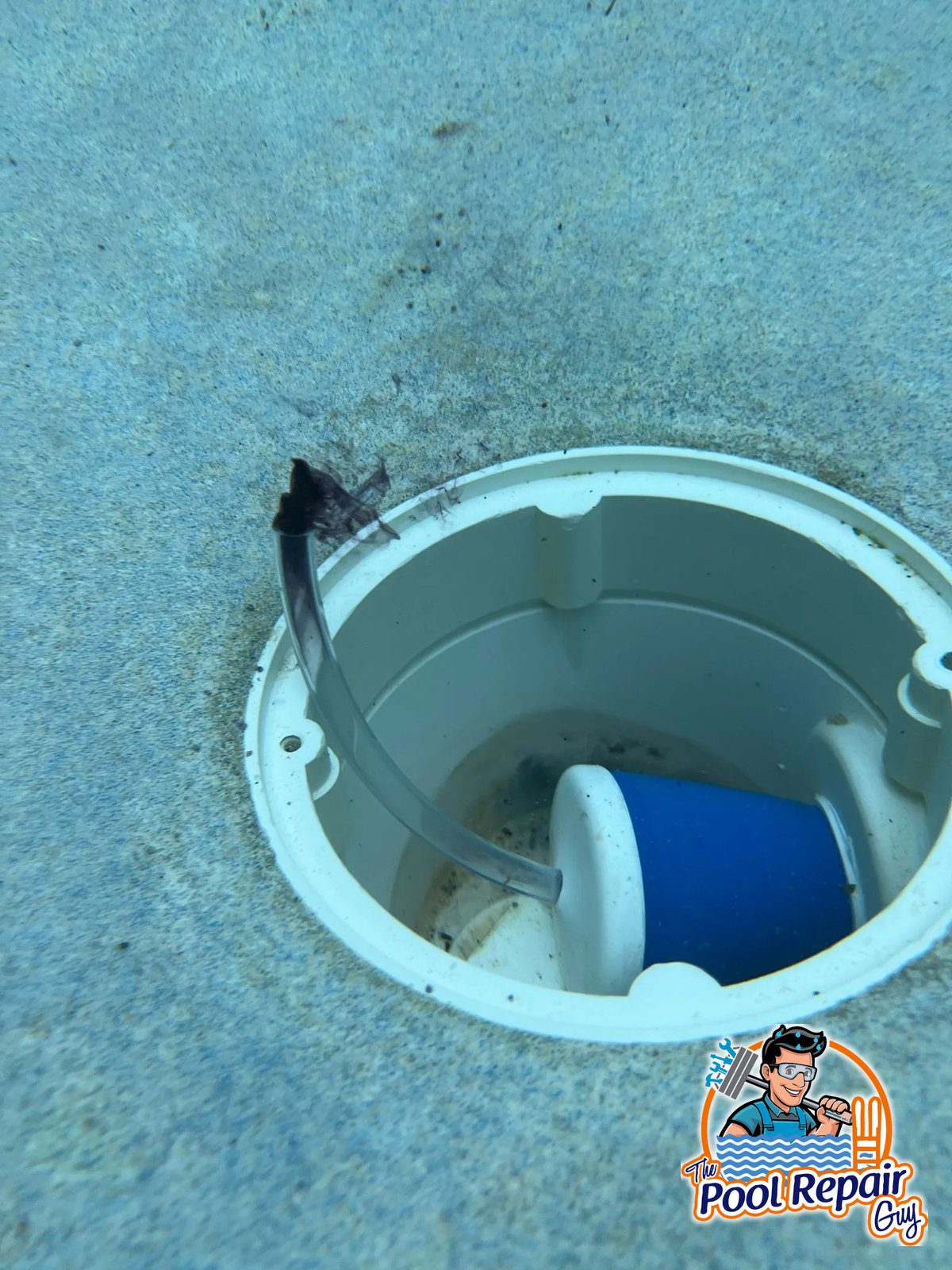
Don’t ignore it. A small leak wastes water and chemicals, and water escaping under the deck or around the shell can cause bigger damage over time. Professional leak detection finds the exact spot with pressure testing, dye testing and listening equipment, so the repair is targeted instead of guesswork. Learn more about our pool leak detection service.
If the leak is in a worn or cracked surface, resurfacing may be the right fix. See signs your pool needs resurfacing.
Pool leak FAQs
How do I know if my pool is leaking or evaporating?
Do the bucket test: set a bucket of pool water on a step, mark both water levels, and compare them after 24 hours. If the pool drops more than the bucket, the extra loss is a leak.
How much water does a pool lose to evaporation in Florida?
On hot, sunny, breezy days a pool can lose roughly a quarter inch of water a day to evaporation. Heated pools and water features lose more.
Is it normal to add water to my pool every week?
Some topping up is normal in Florida summers. Needing to add water every few days, or the level dropping overnight with no one swimming, points to a leak.
What happens if I ignore a pool leak?
A leak wastes water and chemicals, and water escaping under the deck or around the shell can cause more damage over time.
Who can find a pool leak?
Professional leak detection uses pressure testing, dye testing and listening equipment to find the exact spot. The Pool Repair Guy offers leak detection across Central Florida; call (407) 898-5000.
Get help from a licensed pool contractor
The Pool Repair Guy is a state-certified pool contractor (license CPC1457859) serving Orlando, Kissimmee, Daytona Beach and the Space Coast since 1999. If your bucket test points to a leak, call (407) 898-5000 for a free estimate.